• 99%+ purity, third-party tested
  • Malaysia-based supplier, fast local delivery
  • Order online, confirm and pay on WhatsApp
  • For research use only
  • 99%+ purity, third-party tested
  • Malaysia-based supplier, fast local delivery
  • Order online, confirm and pay on WhatsApp
  • For research use only

All products are for laboratory research use only. Not for human consumption.

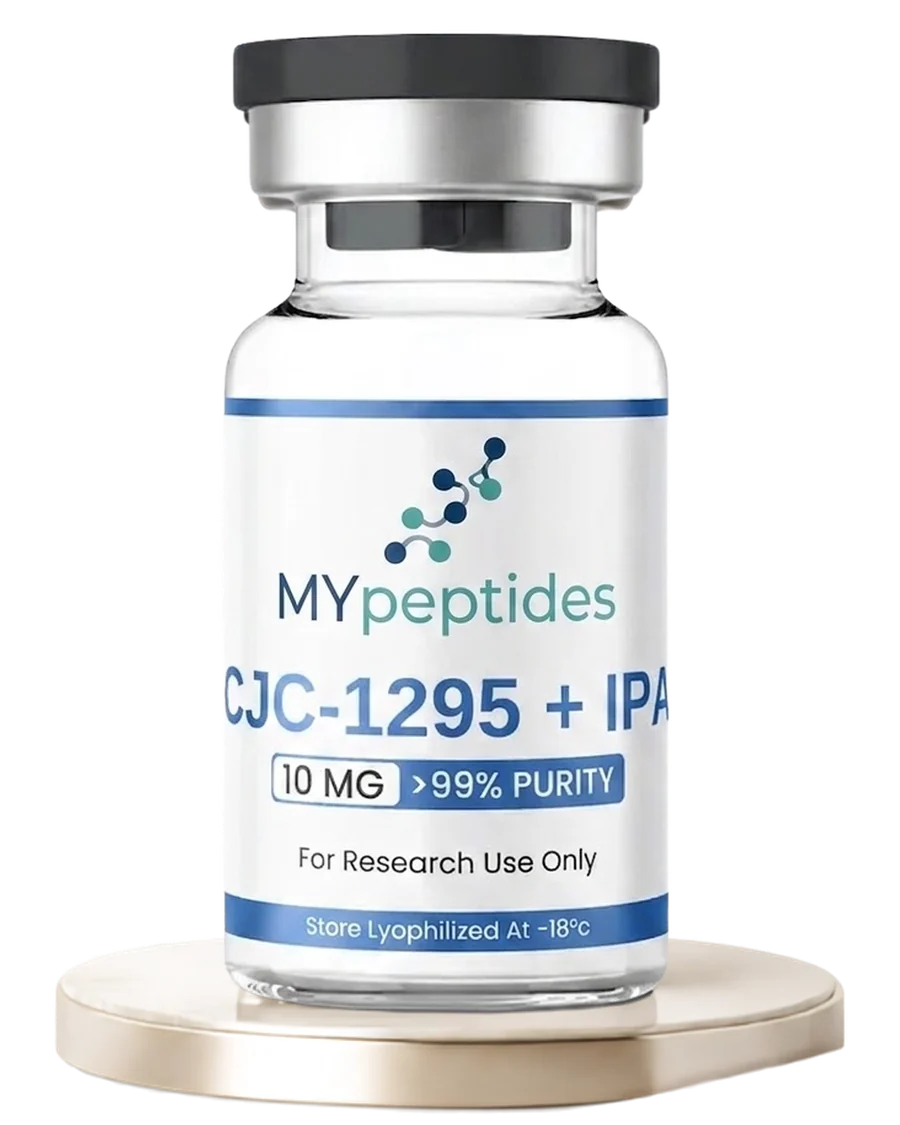
CJC-1295 + Ipamorelin 10 mg vial

Growth Hormone

The Dual Secretagogue

CJC-1295 + Ipamorelin

  • 10 mg
  • >99% purity
  • Lyophilised

RM 450

Awaken timeless vitality. This 10mg master blend unites sustained signaling with gentle release, optimizing your body’s natural growth hormone rhythms.

Key mechanisms & benefits

  • Enhanced cellular renewal supports collagen production, leaving your skin supple and your spirit beautifully ageless.
  • By encouraging deep, restorative rest cycles, it ensures you wake up truly refreshed and deeply recovered.
  • It ignites metabolic fire and supports lean, firm muscle, helping you age with effortless grace.
1
Ask about this product

For research use only. Not for human or veterinary consumption. This product is not a medicine and is not intended to diagnose, treat, cure or prevent any disease.

Overview

The Gold Standard in Growth Hormone Secretagogues

Two distinct GH receptor pathways activated simultaneously: CJC-1295 (DAC) binds the GHRH receptor with a 6-8 day half-life for sustained baseline elevation, while Ipamorelin selectively activates GHSR-1a with zero cortisol, prolactin, or ACTH elevation. Together they produce a GH pulse 3-10x larger than either alone — with fully intact pituitary feedback.

Mechanism of action

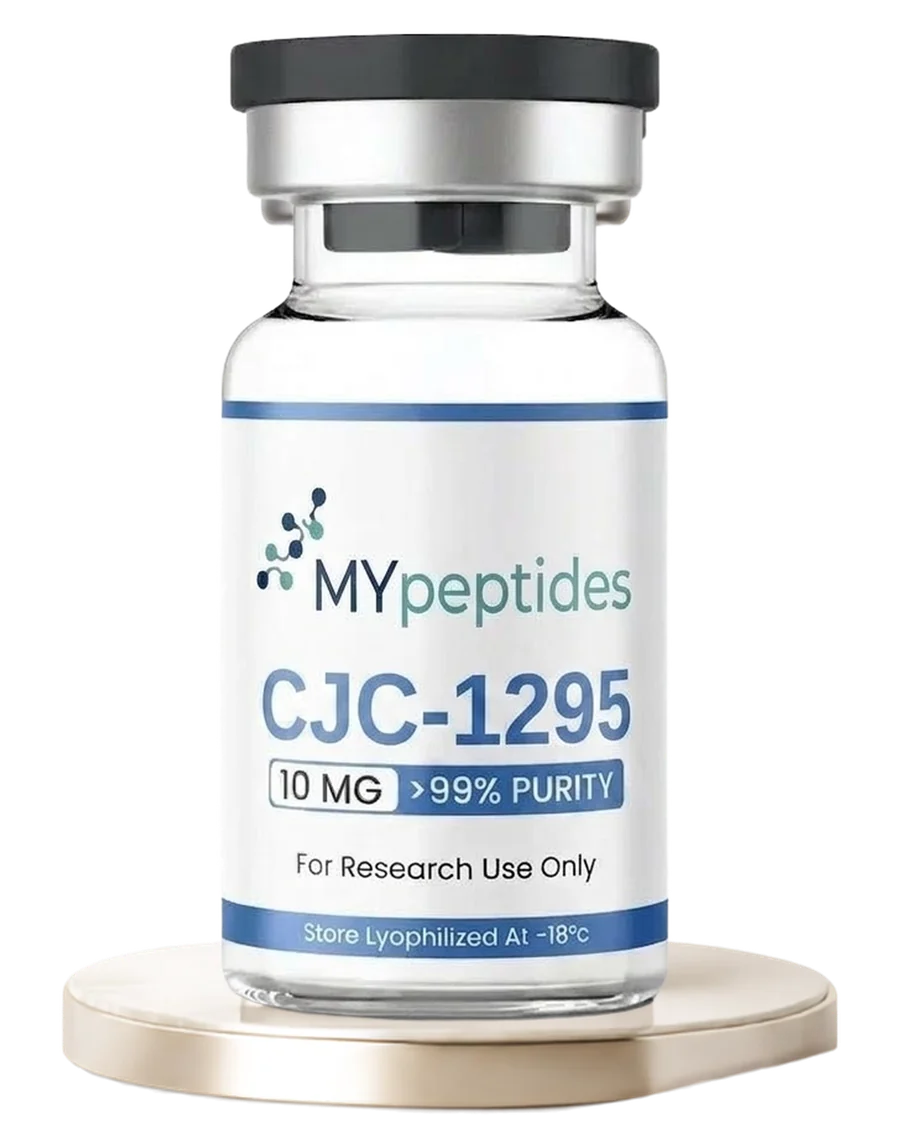
CJC-1295 DAC

GHRH Receptor — Extended Action

6-8 day half-life via Drug Affinity Complex albumin binding

  • Binds the GHRH receptor on pituitary somatotrophs
  • DAC modification enables albumin binding: 6-8 day half-life
  • Sustained GH baseline elevation between injection pulses
  • Does not desensitize the GHRH receptor with repeated dosing
  • Mimics endogenous GHRH with dramatically extended duration
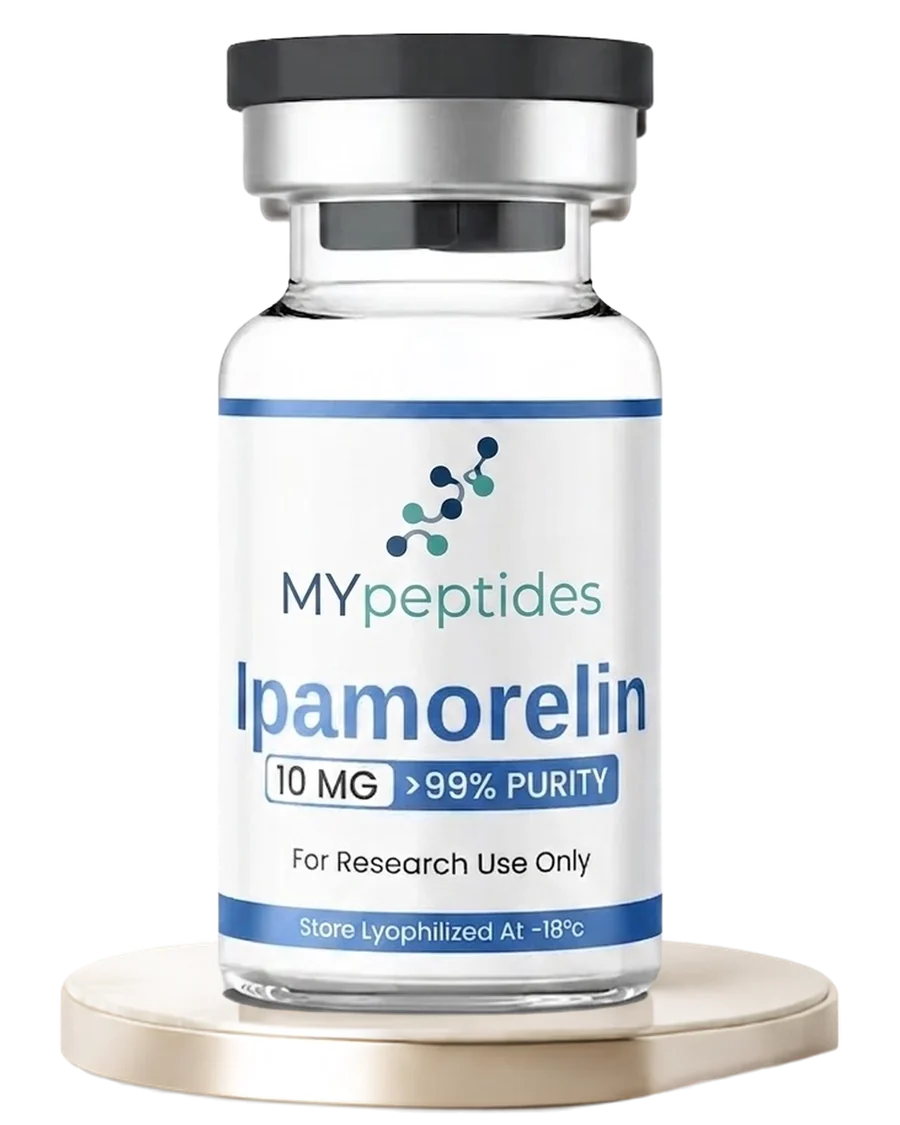
Ipamorelin

Ghrelin Receptor GHSR-1a

The cleanest GH secretagogue — zero cortisol at any dose

  • Highly selective GHSR-1a agonist — no off-target receptor binding
  • Zero cortisol, prolactin, or ACTH elevation at any studied dose
  • GH pulse peak at 30-60 minutes post-administration
  • No receptor desensitization over extended research protocols
  • Synergistic with any GHRH-pathway compound
Synergistic Dual Pathway

Simultaneous GHRH + Ghrelin

Maximum physiological GH pulse with preserved pituitary feedback

  • Dual receptor activation: GHRH + GHSR-1a simultaneously
  • GH pulse 3-10x vs monotherapy of either compound
  • Pituitary feedback mechanisms remain completely intact
  • No pituitary suppression — unlike exogenous HGH
  • The most physiologically complete GH stimulation available

Key finding Simultaneous GHRH receptor (CJC-1295 DAC) and ghrelin receptor (Ipamorelin) activation produces a GH pulse 3-10x above physiological baseline with zero cortisol elevation — impossible to achieve with either compound alone.

Key research findings

6-8 days

CJC-1295 (DAC) half-life in human pharmacokinetic study — 15-30x longer than unmodified GHRH

Teichman SL et al. J Clin Endocrinol Metab, 2006
0

Cortisol or prolactin elevation at any Ipamorelin dose studied in human subjects

Raun K et al. Eur J Endocrinol, 1998
3-10x

GH pulse amplification above baseline with combined CJC-1295 + Ipamorelin administration

Combined secretagogue pharmacology data
None

Pituitary suppression or axis downregulation — unlike exogenous synthetic HGH

Multiple GH secretagogue studies

Research areas

Growth Hormone Research

The most physiologically complete GH stimulation available — both GHRH and ghrelin receptor activation simultaneously.

  • GH pulse amplitude research
  • GH axis normalization protocols
  • GHRH + GHSR-1a dual pathway studies
  • Pituitary feedback mechanism research

Body Composition

Sustained GH elevation from CJC-1295 DAC combined with Ipamorelin pulses drives anabolic body composition changes.

  • Lean mass accretion protocols
  • Visceral fat reduction research
  • Metabolic rate elevation
  • IGF-1 normalization studies

Anti-Aging Research

GH axis decline is a primary marker of aging. This combination represents the most validated GH restoration approach.

  • GH axis restoration in aging models
  • IGF-1 decline reversal research
  • Longevity protocol research
  • Cellular repair amplification

Recovery

GH is the primary recovery and repair hormone. Maximizing clean GH pulses has broad tissue repair implications.

  • Post-injury recovery protocols
  • Sleep-phase GH optimization
  • Tissue repair amplification
  • Collagen synthesis support

Safety profile

GH elevation increases IGF-1, which has downstream anabolic and proliferative effects. Research protocols should account for this in sensitive model systems.

  • Caution
    IGF-1 elevation

    GH stimulation elevates IGF-1 — theoretical proliferative concern in oncology models

  • Low
    Fluid retention

    GH-mediated water retention possible at higher research doses

  • Low
    Glucose metabolism

    GH can reduce insulin sensitivity — monitor in diabetic research models

  • Low
    Pituitary feedback

    Both compounds rely on intact pituitary function — verify in research subjects

Animal studies
Well tolerated across species
Human data
Phase 1/2 completed both compounds
Pituitary effects
No suppression documented

Theoretical contraindications in research models

  • Active or history of cancer — GH and IGF-1 elevation may stimulate growth
  • Active diabetes or insulin resistance — GH reduces insulin sensitivity
  • Pregnancy or breastfeeding — insufficient safety data
  • WADA-prohibited — banned in competitive sport (S0 and S2)

Molecular profile

CJC-1295 DAC Structure

Full name
CJC-1295 with Drug Affinity Complex
Amino acids
30
Molecular weight
3,367 Da
CAS number
863288-34-0
Half-life
6-8 days (DAC-modified)
Receptor
GHRH receptor

Ipamorelin Structure

Full name
Ipamorelin
Sequence
Aib-His-D-2Nal-D-Phe-Lys-NH2
Amino acids
5
Molecular weight
711.9 Da
CAS number
170851-70-4
Receptor
GHSR-1a (ghrelin receptor)

MYpeptides specification

Strength
10 mg
Composition
CJC-1295 5 mg + Ipamorelin 5 mg
Purity
> 99%
Form
Lyophilised powder
Storage
Store lyophilised at −18 °C
Status
For research use only

Frequently asked questions

What is DAC technology and why does it matter?

DAC (Drug Affinity Complex) is a chemical modification that allows CJC-1295 to bind albumin — the most abundant protein in blood. This extends half-life from approximately 30 minutes (unmodified GHRH) to 6-8 days. The result is sustained GHRH receptor stimulation between research administrations without continuous dosing.

Why is Ipamorelin preferred over GHRP-2 or GHRP-6?

GHRP-2 raises cortisol by ~40% and prolactin by ~25%. GHRP-6 raises cortisol by ~60%. Ipamorelin raises neither cortisol nor prolactin at any studied dose — it is the only GHSR-1a agonist with this clean profile. For research where cortisol confounding must be eliminated, Ipamorelin is the only viable choice.

Does this combination suppress the pituitary?

No. Both compounds stimulate the pituitary gland to produce its own GH. Natural negative feedback mechanisms remain intact — when GH rises, the pituitary self-regulates. This is the fundamental difference from exogenous HGH, which suppresses pituitary function.

Why are two different receptors better than one?

The GHRH receptor (CJC-1295) and the ghrelin receptor (GHSR-1a) activate GH secretion through independent intracellular signaling cascades. When both are activated simultaneously, the GH response is 3-10x larger than activating either one alone — true synergy, not simple addition.

How long does each compound remain active?

CJC-1295 (DAC): 6-8 days half-life provides sustained baseline GH elevation. Ipamorelin: ~2 hour half-life produces a GH pulse within 30-60 minutes of administration. Together they provide both sustained baseline elevation and pulsatile GH amplification.

What is the difference between GH secretagogues and exogenous HGH?

Secretagogues stimulate the pituitary to produce endogenous GH — the resulting GH is your own, pulsatile, and regulated by natural feedback. Exogenous HGH bypasses the pituitary entirely and suppresses its function over time. Secretagogues maintain a physiological pattern; HGH does not.

References

  1. CJC-1295 with DAC — extended half-life GHRH analogueTeichman SL et al. J Clin Endocrinol Metab, 2006 · PMID: 16822960
  2. Ipamorelin: the first selective GH secretagogueRaun K et al. Eur J Endocrinol, 1998 · PMID: 9800220
  3. GHRH analogues in clinical researchIonescu M, Frohman LA Endocr Rev, 2014 · PMID: 24694384
  4. Growth hormone secretagogues — mechanisms and clinical dataGhigo E et al. Neuroendocrinology, 2007 · PMID: 17426384