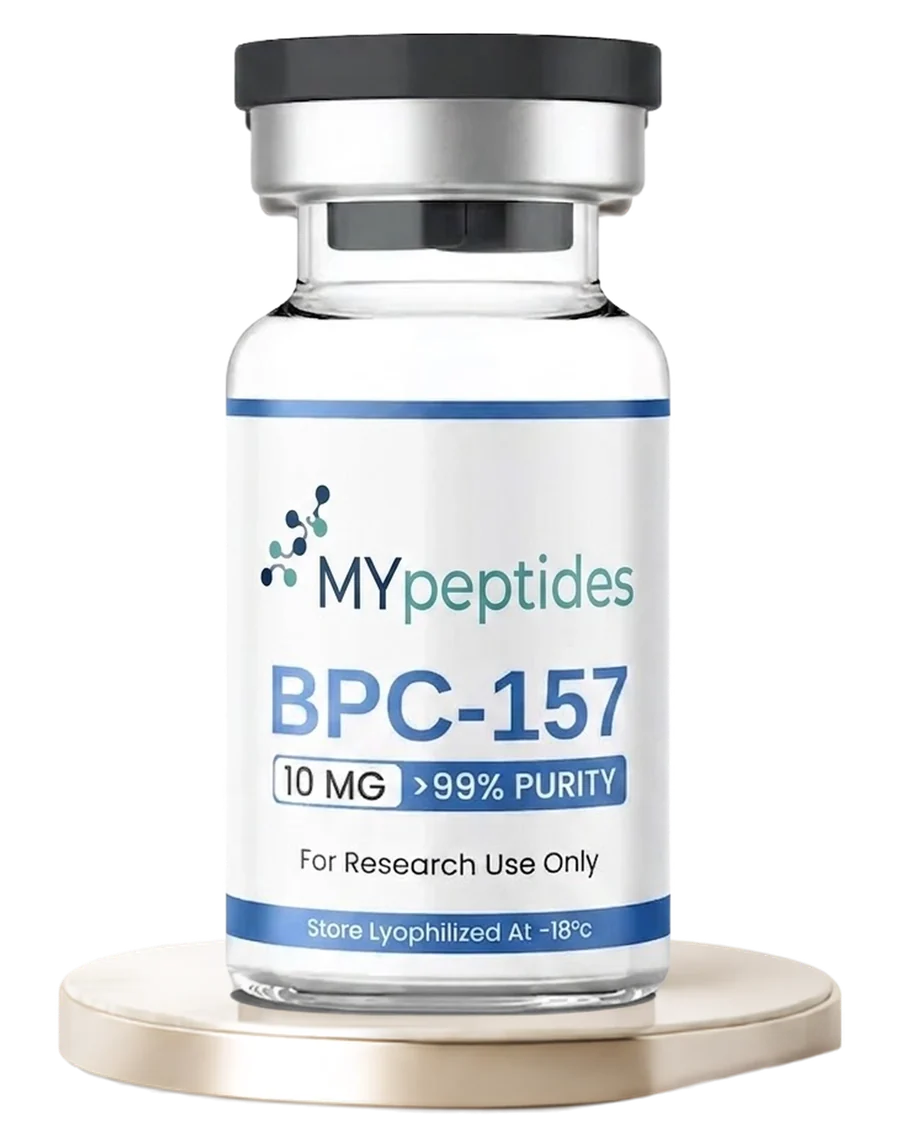
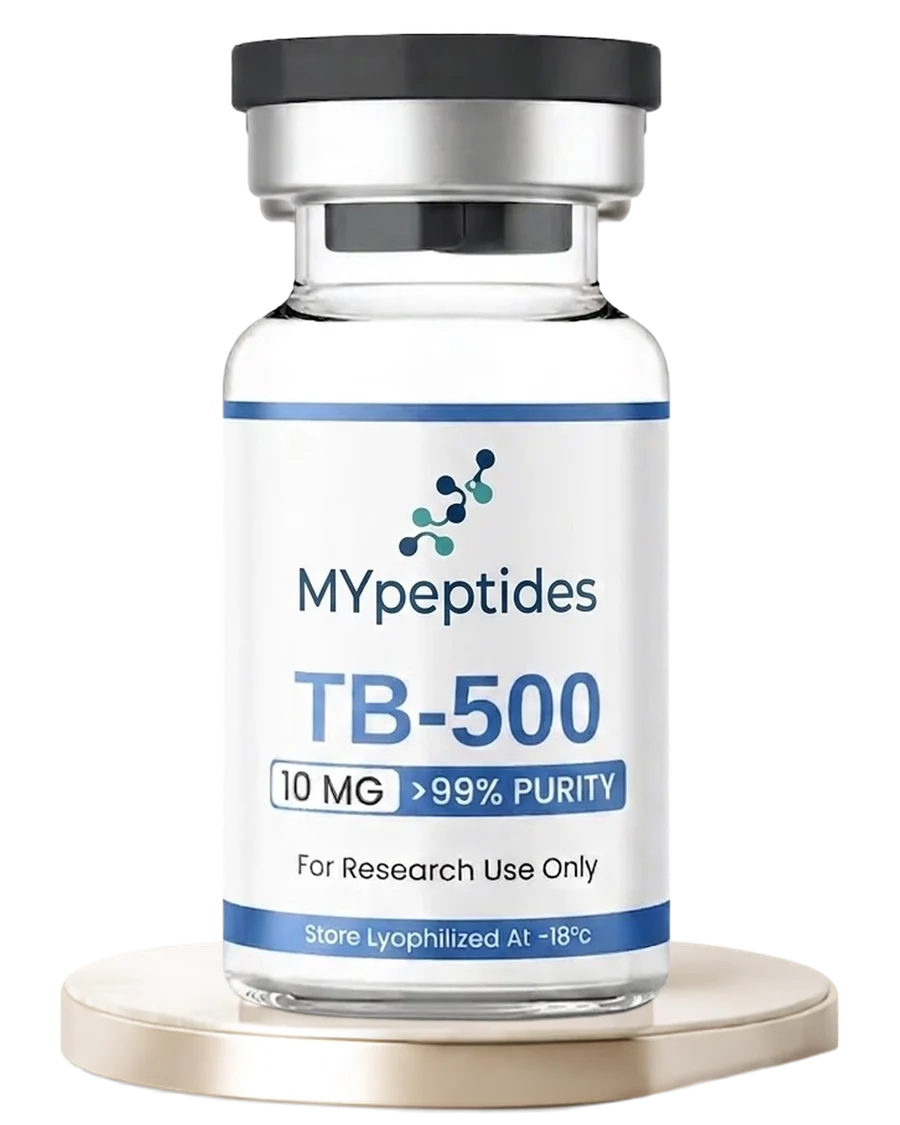
• 99%+ purity, third-party tested
  • Malaysia-based supplier, fast local delivery
  • Order online, confirm and pay on WhatsApp
  • For research use only
  • 99%+ purity, third-party tested
  • Malaysia-based supplier, fast local delivery
  • Order online, confirm and pay on WhatsApp
  • For research use only

All products are for laboratory research use only. Not for human consumption.

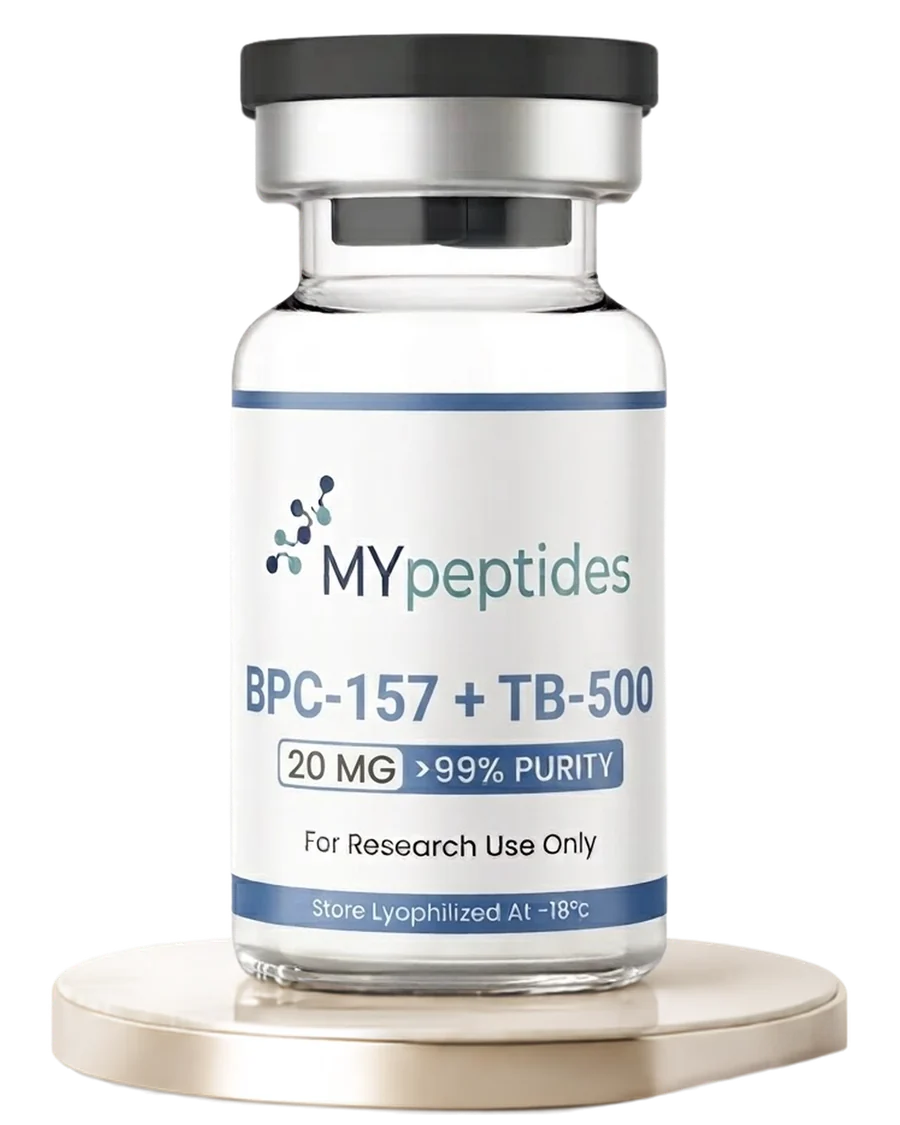
BPC-157 + TB-500 20 mg vial

Tissue Repair

The Sovereign Recovery Protocol

BPC-157 + TB-500 (Wolverine)

  • 20 mg
  • >99% purity
  • Lyophilised

RM 500

Experience complete cellular restoration. This 20mg master blend unites structural repair with fluid mobility, resetting your body from the inside out.

Key mechanisms & benefits

  • BPC-157 actively reinforces tendons and calms inflammation, restoring deep inner harmony and resilience.
  • TB-500 accelerates muscle recovery and cellular renewal, releasing stiffness to keep your joints beautifully supple.
  • This powerful synergy ensures you stay active, recovered, and glowing through every chapter.
1
Ask about this product

For research use only. Not for human or veterinary consumption. This product is not a medicine and is not intended to diagnose, treat, cure or prevent any disease.

Overview

Dual-Pathway Synergy — Two Independent Healing Mechanisms

BPC-157 and Thymosin Beta-4 work through completely non-competing pathways: VEGFR2 angiogenesis brings blood supply; G-actin sequestering migrates repair cells to the site. Combined in equal 10mg+10mg proportions, both compounds maintain their full individual dose effect.

Mechanism of action

BPC-157

VEGFR2 Receptor Activation

Angiogenesis and growth hormone receptor upregulation

  • Upregulates GH receptors 7x at Day 3 in tendon healing models
  • Activates VEGFR2 signaling — primary angiogenesis driver
  • Stimulates new blood vessel formation into injury zones
  • Activates FAK-paxillin pathway for cell migration and adhesion
  • Gastrointestinal cytoprotection — systemic anti-inflammatory effect
Thymosin Beta-4

G-Actin Sequestering

Cytoskeletal regulation enabling cell migration to injury sites

  • Binds monomeric G-actin — regulates cytoskeletal dynamics
  • Enables keratinocyte and fibroblast migration to wound edge
  • Activates ILK/Akt pathway for cardiomyocyte survival
  • Promotes satellite cell activation in muscle tissue
  • Anti-fibrotic — reduces scar tissue, promotes quality repair
Synergistic Effect

Complementary Dual Action

Non-competing pathways — full dose effect from each compound

  • BPC-157 creates vascular supply; TB-4 delivers repair cells
  • No receptor competition — each maintains full potency
  • Broader tissue coverage than either alone
  • 370+ combined published studies across multiple tissue types
  • Validated in tendon, muscle, cardiac, neural, and GI models

Key finding BPC-157 upregulates growth hormone receptors 7x at day 3, while TB-500 increases keratinocyte migration 200% vs control — two mechanisms that directly amplify each other when combined.

Key research findings

7x

Growth hormone receptor upregulation on Day 3 in tendon healing models with BPC-157

Seiwerth S et al. J Physiol Pharmacol, 2018
61%

Faster re-epithelialization versus control in Phase 1 wound healing trial with TB-500

Malinda KM et al. J Invest Dermatol, 1999
200%

Increase in keratinocyte migration versus control group in TB-500 wound healing studies

Goldstein AL et al. Expert Opin Biol Ther, 2012
No LD50

No lethal dose found for either BPC-157 or TB-500 in standard toxicology studies

Sikiric P et al. Curr Pharm Des, 2018

Research areas

Musculoskeletal Repair

VEGFR2 angiogenesis combined with G-actin cell migration for tendon, muscle, and bone repair.

  • Tendon healing — vascular supply plus structural repair
  • Muscle fiber regeneration via satellite cell activation
  • Bone repair via VEGFR2-driven angiogenesis
  • Connective tissue remodeling and scar reduction

Cardiovascular

ILK/Akt pathway supports cardiomyocyte survival alongside BPC-157 anti-inflammatory action.

  • Cardioprotective via ILK/Akt activation
  • Cardiomyocyte migration enhancement
  • Anti-inflammatory systemic BPC-157 effect
  • Vascular repair in ischemic zones

Neurological

BPC-157 crosses the blood-brain barrier; TB-500 promotes neural stem cell activation.

  • Neuroinflammation reduction via BPC-157
  • Neural stem cell activation via TB-500
  • Blood-brain barrier crossing cytoprotection
  • Neuroprotective signaling in injury models

Wound Healing

Dual-pathway wound healing — VEGFR2 new vessels plus cellular migration drive superior outcomes.

  • 61% faster re-epithelialization (TB-500 Phase 1)
  • VEGFR2 new vessel formation into wound bed
  • Fibrosis reduction — less scarring vs control
  • Systemic delivery effective across all wound types

Safety profile

Because BPC-157 and TB-500 activate complementary pathways, their combined potency at standard research doses should be considered when designing protocols.

  • Caution
    Angiogenic activity

    Pro-angiogenic potential — VEGFR2 activation warrants avoidance in active oncology models

  • Low
    Immunomodulation

    TB-500 immunomodulatory activity — note in autoimmune research contexts

  • Low
    GHR upregulation

    Growth hormone receptor upregulation — theoretical concern in IGF-sensitive models

  • Low
    Fibrosis reduction

    Anti-fibrotic effect may alter wound healing timelines vs control groups

Animal studies
Generally well tolerated
Human data
TB-500 Phase 1 completed — no SAEs
Regulatory status
Research compound only

Theoretical contraindications in research models

  • Active or history of cancer — pro-angiogenic VEGFR2 activity
  • Pregnancy or breastfeeding — insufficient safety data
  • WADA-prohibited — banned in competitive sport (S0 category)
  • Active inflammatory bowel disease — BPC-157 may alter GI healing timelines

Molecular profile

BPC-157 Structure

Name
Body Protection Compound 157
Sequence
GEPPPGKPADDAGLV
Amino Acids
15
Molecular Weight
1,419 Da
CAS Number
137525-51-0
Origin
Derived from gastric juice protein

TB-4 Structure

Name
Thymosin Beta-4
Sequence
SDKPDMAEIEKFDKSKLKKTETQEKNPLPSKETIEQEKQAGES
Amino Acids
43
Molecular Weight
4,963 Da
CAS Number
77591-33-4
Origin
Endogenous — all nucleated cells

MYpeptides specification

Strength
20 mg
Composition
BPC-157 10 mg + TB-500 10 mg
Purity
> 99%
Form
Lyophilised powder
Storage
Store lyophilised at −18 °C
Status
For research use only

Frequently asked questions

Why combine BPC-157 with TB-500?

BPC-157 and TB-500 work through completely independent mechanisms — VEGFR2 angiogenesis and G-actin sequestering respectively. Because they do not compete for the same receptors or pathways, the full dose effect of each is maintained when combined. This produces synergistic tissue repair that neither can achieve alone.

What does the 7x GHR upregulation mean?

Growth hormone receptor (GHR) density on tendon tissue increases 7-fold at Day 3 of BPC-157 treatment in animal models. This sensitizes the tissue to growth hormone signaling, dramatically amplifying the anabolic and repair response beyond what GH alone can achieve.

Why was no LD50 found for either compound?

In standard acute toxicity studies, researchers progressively increase dosage until they find the lethal dose for 50% of subjects (LD50). For both BPC-157 and TB-500, no lethal dose was found at any tested amount. This unusually favorable safety profile reflects their endogenous origins.

What is the reconstitution protocol?

Add bacteriostatic water slowly to the lyophilized powder — do not inject water directly onto the powder, allow it to run down the side of the vial. Do not shake — gently swirl until dissolved. Store reconstituted at 2-8°C for up to 30 days. Do not freeze after reconstitution.

Is this combination prohibited in competitive sport?

Yes. Both BPC-157 and TB-500 are prohibited by WADA under category S0 (non-approved substances). This applies in-competition and out-of-competition. This product is for research use only.

What tissues have been studied?

Both compounds have been studied across tendon, muscle, bone, cardiac, neural, gastrointestinal, and skin tissue types. TB-500 has completed Phase 1 human data. BPC-157 has extensive preclinical data across all major tissue types.

References

  1. BPC 157: a review of gastric and extra-gastric protectionSeiwerth S et al. J Physiol Pharmacol, 2018 · PMID: 30303706
  2. Thymosin beta4 accelerates wound healingMalinda KM et al. J Invest Dermatol, 1999 · PMID: 10469335
  3. Thymosin beta4: a multi-functional regenerative peptideGoldstein AL, Hannappel E et al. Expert Opin Biol Ther, 2012 · PMID: 22074294
  4. Stable gastric pentadecapeptide BPC 157: novel therapySikiric P et al. Curr Pharm Des, 2018 · PMID: 29589525