• 99%+ purity, third-party tested
  • Malaysia-based supplier, fast local delivery
  • Order online, confirm and pay on WhatsApp
  • For research use only
  • 99%+ purity, third-party tested
  • Malaysia-based supplier, fast local delivery
  • Order online, confirm and pay on WhatsApp
  • For research use only

All products are for laboratory research use only. Not for human consumption.

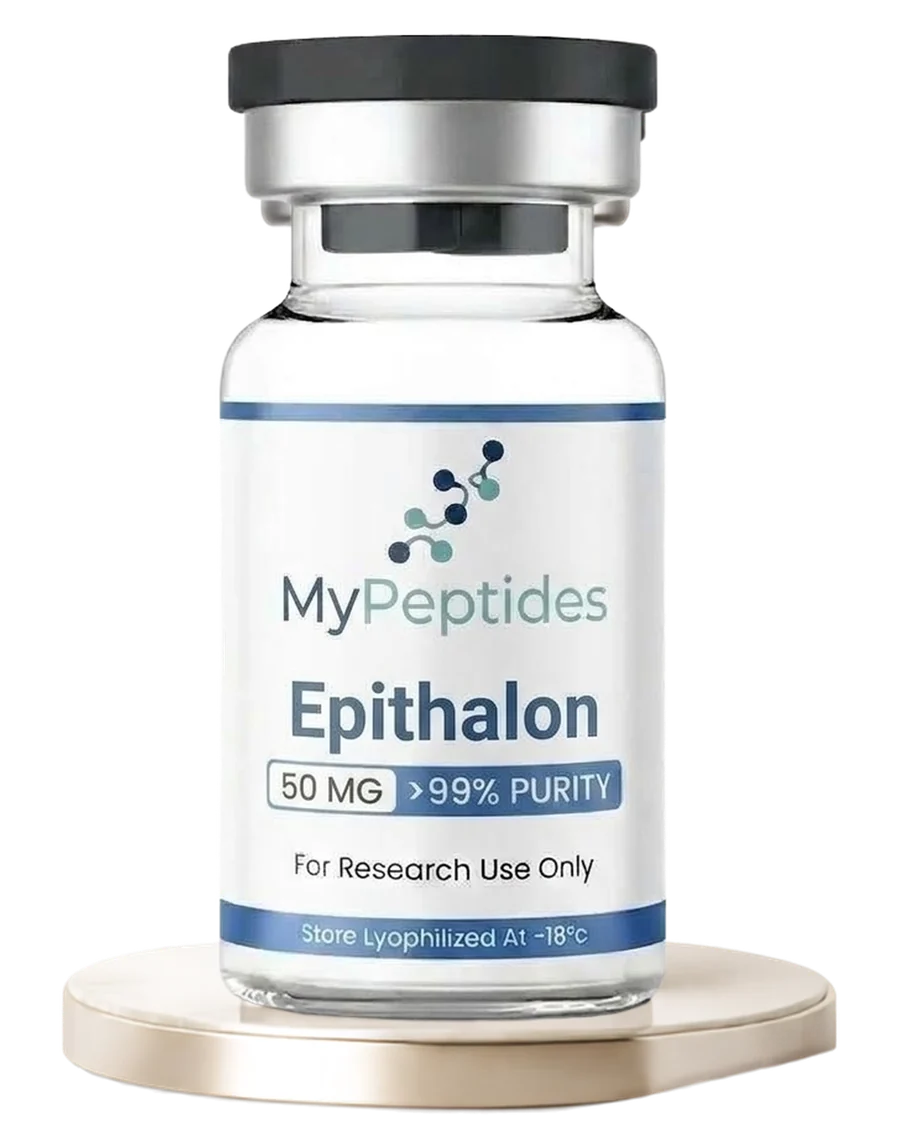
Epithalon 50 mg vial

Longevity · Restores Immune Function

The Cellular Preserver

Epithalon

  • 50 mg
  • >99% purity
  • Lyophilised

RM 450

Defy time at the source. Epithalon 50 mg activates deep longevity pathways, protecting your cellular blueprint for true, ageless vitality.

Key mechanisms & benefits

  • By harmonizing natural biological rhythms, it restores deep sleep cycles so you wake beautifully refreshed.
  • It gently defends against daily stress, preserving your skin's youthful resilience and radiance.
  • Reclaim your natural rhythm and embrace every chapter with effortless grace and enduring strength.
1
Ask about this product

For research use only. Not for human or veterinary consumption. This product is not a medicine and is not intended to diagnose, treat, cure or prevent any disease.

Overview

The Telomere Guardian — 40 Years of Longevity Research from St. Petersburg

Epithalon (Ala-Glu-Asp-Gly) is a synthetic tetrapeptide derived from Epithalamin — a natural pineal gland extract. Developed and studied for over 40 years at the St. Petersburg Institute of Bioregulation and Gerontology by Professor Vladimir Khavinson, it is the most studied telomere-activating compound known. Primary mechanism: direct stimulation of telomerase (TERT), the enzyme responsible for maintaining chromosome ends.

Mechanism of action

Telomerase Activation

Primary Anti-Aging Mechanism

Directly stimulates TERT — the catalytic subunit of telomerase

  • Stimulates telomerase reverse transcriptase (TERT) gene expression
  • Increases telomerase enzymatic activity in somatic cells
  • Maintains and extends telomere length — preventing replicative senescence
  • Prevents the progressive chromosomal shortening that drives cellular aging
  • Shown to elongate telomeres in human somatic cell cultures
Pineal Gland Restoration

Circadian and Melatonin Support

Restores pineal gland function that declines with age

  • Restores pineal gland melatonin secretion to youthful levels
  • Normalizes age-related disruption of melatonin circadian rhythm
  • Supports sleep quality and circadian entrainment
  • Compensates for the progressive calcification and decline of the pineal gland
  • Melatonin normalization has independent anti-aging benefits
Antioxidant and Oncostatic

Multi-Modal Longevity Activity

Reduces oxidative stress and demonstrates oncostatic properties

  • Reduces lipid peroxidation markers in animal aging models
  • Decreases systemic oxidative stress biomarkers (MDA, SOD normalization)
  • Oncostatic activity — inhibits tumor growth in animal models
  • Activates antioxidant defense gene expression (SOD, catalase)
  • Immunomodulatory T-cell and NK cell enhancement in elderly subjects

Key finding Epithalon is the only compound demonstrated to elongate telomeres in human somatic cells in a controlled study — directly stimulating telomerase TERT activity. Combined with 24% lifespan extension in animal models, it represents the most validated telomere-targeting intervention known.

Key research findings

24%

Mean lifespan extension in Drosophila melanogaster (fruit fly) model with Epithalon treatment

Khavinson VK et al. Mech Ageing Dev, 2000
Telomere

Telomere elongation and telomerase TERT activation demonstrated in human somatic cell cultures

Khavinson VK et al. Bull Exp Biol Med, 2003
Melatonin

Restoration of age-reduced melatonin secretion and normalization of circadian melatonin rhythm

Anisimov VN et al. Oncol Rep, 2006
Oncostatic

Inhibition of tumor development and extension of cancer-free lifespan in mammary tumor mouse models

Anisimov VN et al. Int J Cancer, 2002

Research areas

Telomere and Aging Research

The only compound with published evidence of telomere elongation in human somatic cells — the most direct cellular aging intervention known.

  • Telomere length research
  • Telomerase activation studies
  • Replicative senescence models
  • Cellular aging research

Circadian and Sleep Biology

Pineal gland restoration and melatonin normalization — critical for circadian rhythm and sleep quality research.

  • Melatonin secretion studies
  • Circadian rhythm research
  • Sleep quality research
  • Pineal gland function studies

Immune Function

T-cell and NK cell enhancement in elderly subjects — immune longevity research.

  • Immune aging research
  • T-cell activity studies
  • NK cell function
  • Immunosenescence reversal

Oncology Prevention

Oncostatic properties — inhibits tumor growth in animal models — relevant to cancer prevention research.

  • Cancer prevention models
  • Tumor inhibition research
  • Oncostatic mechanism studies
  • Cancer risk longevity research

Safety profile

40+ years of research and clinical application in Russia with a favorable safety profile. Primary consideration is theoretical telomerase-related risk in oncology contexts.

  • Caution
    Telomerase activation

    Theoretical: telomerase reactivation is a feature of cancer cells — note in oncology models

  • Low
    Oncostatic vs pro-proliferative

    Epithalon shows oncostatic activity in animal models, but telomerase concern warrants caution

  • Low
    Immunomodulation

    T-cell and NK cell enhancement — note in autoimmune research contexts

  • Low
    Pineal interaction

    Melatonin normalization may interact with melatonin-sensitive research models

Animal studies
40+ years, well tolerated
Human studies
Multiple Khavinson studies — no SAEs
Telomerase
Activated — note in oncology contexts

Theoretical contraindications in research models

  • Active malignancy — telomerase activation is a concern
  • Pregnancy or breastfeeding — insufficient safety data
  • Concurrent telomerase inhibitor therapy — mechanistic conflict

Molecular profile

Epithalon Structure

Full name
Epithalon (Epitalon)
Sequence
Ala-Glu-Asp-Gly
Single letter
AEDG
Molecular weight
390.3 Da
CAS number
307297-39-8
Origin
Synthetic tetrapeptide from Epithalamin

Biological Activity

Primary target
Telomerase TERT subunit
Telomere effect
Elongation in human somatic cells
Melatonin
Pineal gland restoration
Lifespan
24% extension — animal models
Oncostatic
Tumor inhibition — animal models
Immunomodulation
T-cell and NK enhancement

MYpeptides specification

Strength
50 mg
Purity
> 99%
Form
Lyophilised powder
Storage
Store lyophilised at −18 °C
Status
For research use only

Frequently asked questions

How does Epithalon activate telomerase?

Epithalon stimulates the expression and activity of TERT — the catalytic subunit of telomerase. TERT is the enzyme that adds repetitive TTAGGG sequences to the ends of chromosomes, counteracting the progressive shortening that occurs with each cell division. Khavinson demonstrated that Epithalon can elongate telomeres in human somatic cell cultures — an effect that had been considered achievable only in germ cells and stem cells.
What is the connection to the pineal gland?

Epithalon is a synthetic version of Epithalamin — a polypeptide extract from the pineal gland studied by Professor Khavinson since the 1970s. The pineal gland is the primary source of melatonin and is considered a key regulator of aging. The gland progressively calcifies and reduces melatonin output with age. Epithalon mimics and restores the active components of pineal signaling.

What does 24% lifespan extension in fruit flies mean?

In Drosophila melanogaster (fruit fly) experiments, Epithalon extended mean lifespan by approximately 24%. Fruit flies are a standard model organism for longevity research because of their short lifespan (~60-80 days) and well-characterized genetics. While translation to humans requires significant qualification, a 24% lifespan extension in any model organism with a single compound is an extraordinary finding.

Is this the same as Epithalamin?

They are related but distinct. Epithalamin is a natural polypeptide extract from bovine pineal glands — containing multiple peptide fractions. Epithalon (AEDG) is the synthetic tetrapeptide identified by Professor Khavinson as the primary active component of Epithalamin, with more consistent composition and purity than the natural extract.

What research has Professor Khavinson published?

Professor Vladimir Khavinson at the St. Petersburg Institute of Bioregulation and Gerontology has published over 700 research papers and holds numerous patents. His work on Epithalon spans 40+ years and includes: lifespan studies in fruit flies, rodents, and monkeys; telomere elongation in human cells; oncostatic activity in cancer models; melatonin normalization; and immune function improvement in elderly subjects.

References

  1. Epithalon peptide induces telomerase activity and telomere elongationKhavinson VK et al. Bull Exp Biol Med, 2003 · PMID: 14556569
  2. Effect of Epithalon on the lifespan of Drosophila melanogasterKhavinson VK et al. Mech Ageing Dev, 2000 · PMID: 10822126
  3. Oncostatic activity of Epithalon in mammary gland tumorsAnisimov VN et al. Oncol Rep, 2006 · PMID: 16596197
  4. Melatonin and Epithalon restores immune function in elderly miceAnisimov VN et al. Int J Immunopharmacol, 1999 · PMID: 10418130
Longevity

The Cellular Powerhouse

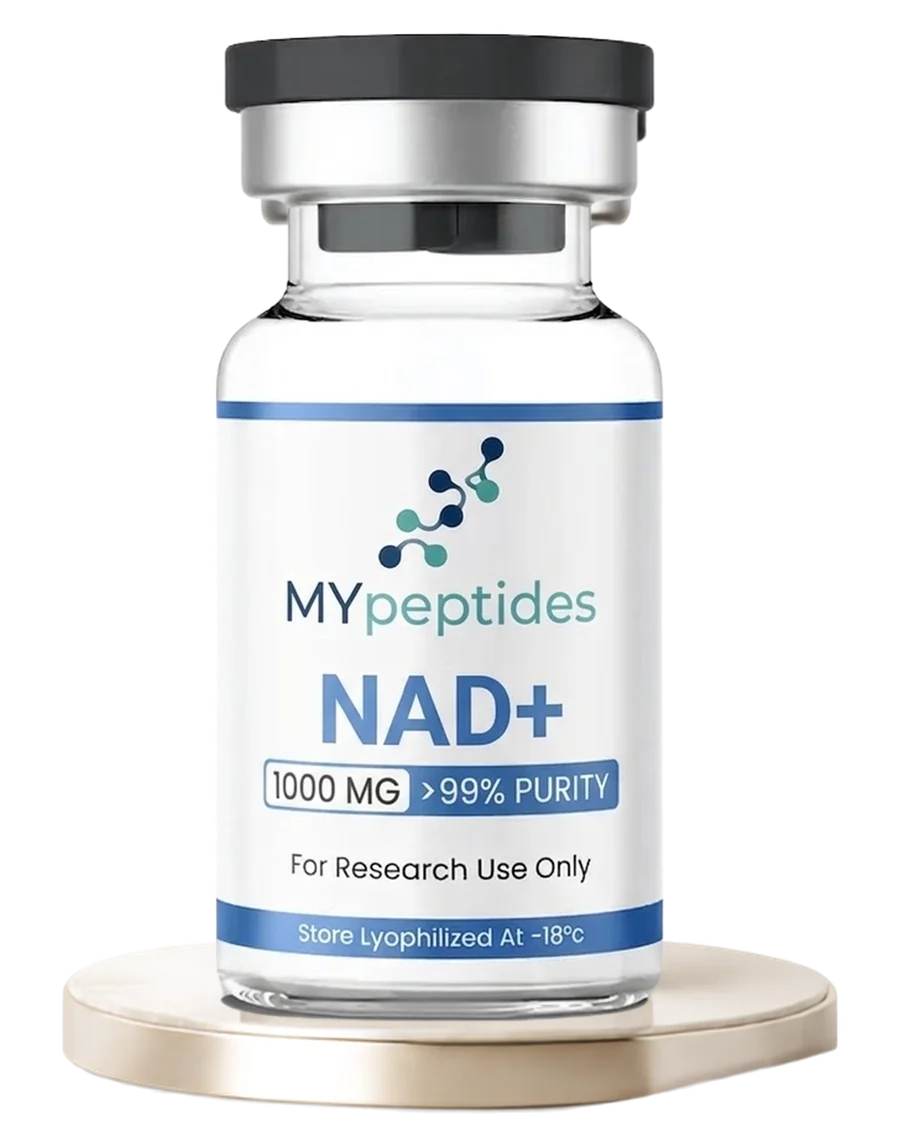
NAD+

1000 mg · >99% purity

RM 460